

System design
West-facing or north-facing panels in Melbourne?
Published 22 June 2026
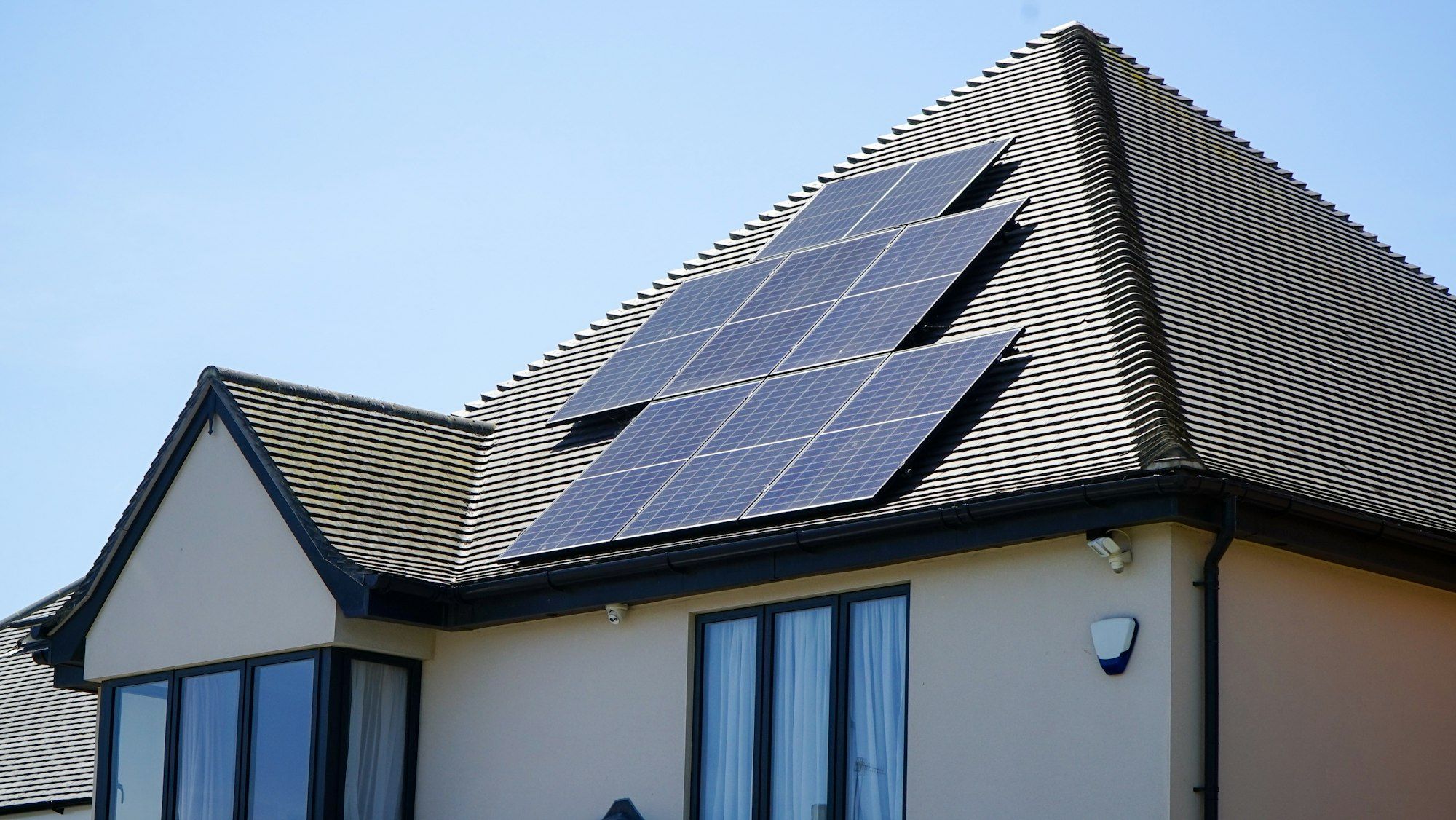
The standard advice is north-facing, and for decades it was simply correct. It produces the most electricity over a year, and when you were paid generously for exporting, maximum generation meant maximum return.
Feed-in tariffs have changed that calculation.
The gap that drives everything
Every kilowatt-hour you use yourself saves you the full retail rate you would otherwise pay. Every kilowatt-hour you export earns a feed-in tariff worth a fraction of that.
That gap is now wide. Self-consumption is worth several times what export is worth.
Once that is true, the goal is no longer “generate the most”. It is “generate the most at the times you are actually using power”.
What each orientation does
North gives the highest annual total, with production peaking around the middle of the day in a fairly symmetrical curve.
West produces meaningfully less annually — but it shifts the peak into the late afternoon and early evening. That is when people get home, the air conditioning goes on, dinner gets cooked and consumption spikes.
East shifts the other way, covering morning load — showers, breakfast, getting out the door.
East-west split flattens the curve. Lower peak, longer productive day, usually the highest self-consumption of any layout.
Which is right depends on your household
Home during the day — someone working from home, young children, a retiree. North is usually still correct. You are consuming during the generation peak.
Out all day, home in the evening — the classic commuting household. North-facing panels produce hardest when the house is empty, and you export most of it at a low rate, then buy power back at full price at 6pm. West-facing or a west-heavy split often produces a better financial result despite generating less.
Ducted refrigerated cooling — very common in the newer estates. Your peak load is a hot late afternoon, which lines up almost exactly with west-facing production.
Battery installed — the orientation question softens considerably. Storage decouples when you generate from when you use it, so maximising total generation matters more again.
The practical answer
On most Melbourne roofs it is not either/or. A typical estate roof has usable north, east and west planes, and the right design usually spreads across more than one.
A common arrangement in the growth corridors is a north-west split: enough north to keep the annual total healthy, enough west to cover the evening peak.
What to ask your installer
If a quote puts everything on the north plane without anyone asking when you use power, that is a package being applied, not a system being designed.
Reasonable questions:
- What does the generation curve look like across the day, not just the annual total?
- What proportion of generation do you expect us to self-consume?
- What would a west-heavy split do to those numbers?
Any installer worth using can model all three and show you the difference.
One caveat
Don’t take this too far. South-facing panels are still a poor idea in Melbourne, and a west-only array on a household that is home all day is worse than north. The point is not that west beats north — it is that the right answer depends on your consumption pattern, and that pattern is knowable rather than guessable.