

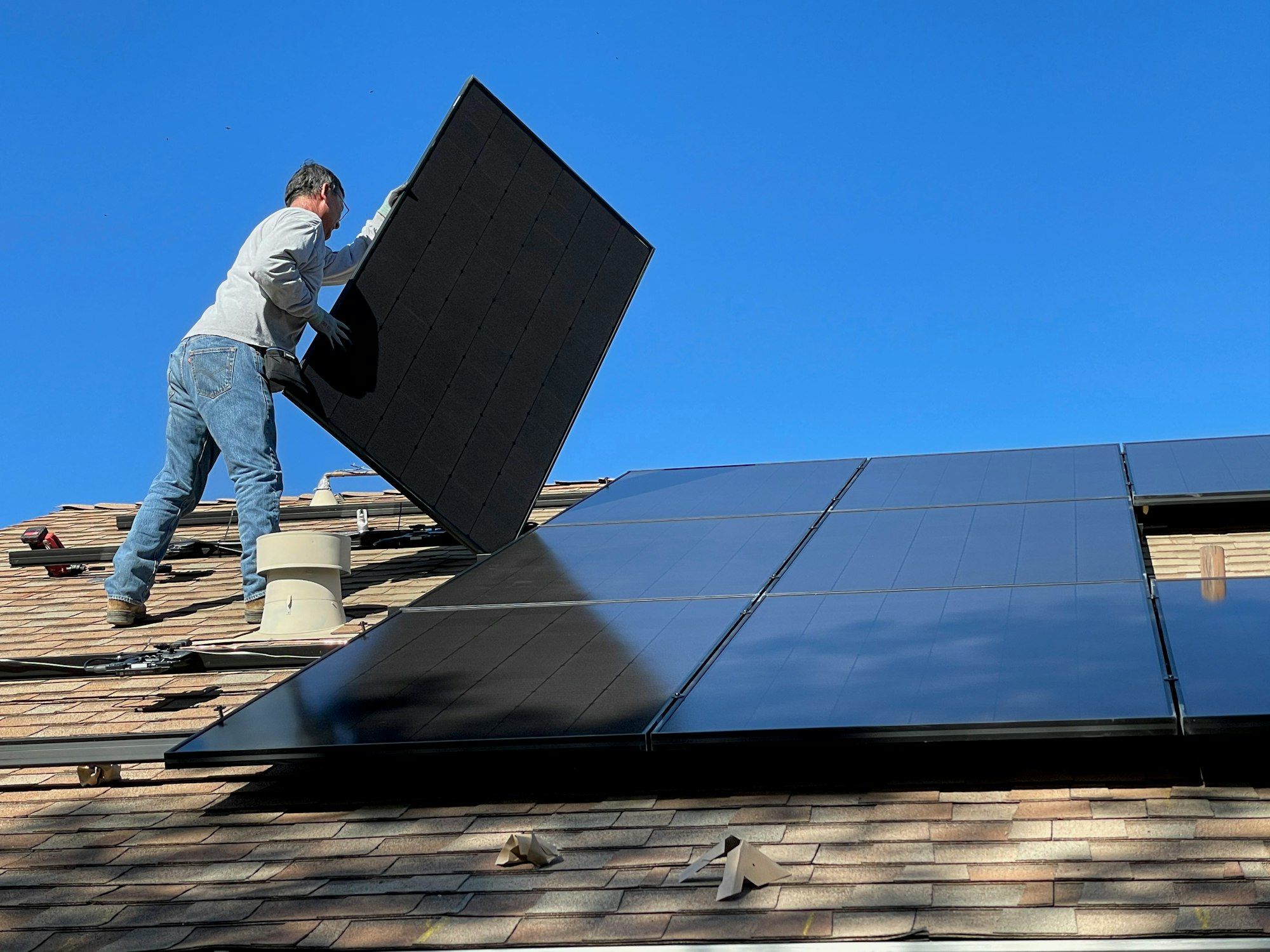
Commercial solar usually stacks up better than residential
The reason is simple: a business consumes power during daylight hours. A warehouse in Truganina or a workshop in Campbellfield runs its load between 7am and 5pm, which is exactly when the array is producing. Self-consumption rates of 80–90% are common, against 30–50% for a typical house.
That changes the economics substantially, because every kilowatt-hour you self-consume is worth the full retail rate you would otherwise pay rather than the feed-in rate.
Demand charges
Many commercial tariffs include a demand charge based on your highest usage interval in the billing period, not just total consumption. Solar can reduce that, but only if your peak happens to fall in daylight. If your peak is a 6am startup surge, panels alone will not touch it.
We look at your interval data before designing. It is the difference between a system that cuts your bill and one that cuts part of it.
Larger systems and approval
Systems above 30 kW fall under different certificate arrangements (LGCs rather than STCs) and above 100 kW the grid connection process is materially more involved. Roof structural capacity also becomes a real engineering question rather than a formality on large spans.
We are upfront about where a job needs a structural engineer or a more complex connection application, and what that adds to the timeline.
Common questions
Can we claim the system as a business expense?
Depreciation and instant asset write-off provisions may apply depending on your turnover, the asset value and current rules. We are not tax advisers — confirm the treatment with your accountant before you rely on it in your numbers.
Do you work on tenanted commercial premises?
Yes, but the landlord must agree in writing and the lease terms matter — particularly who owns the system at the end of the lease. Sort that out before ordering equipment.
What about a battery for a commercial site?
Sometimes, though for many businesses solar alone gives the better return because the daytime load already absorbs the generation. A battery makes more sense where demand charges are significant or where an outage is genuinely costly.