

AC-coupled or DC-coupled
If you already have solar, a battery is added one of two ways. AC coupling adds a separate battery inverter alongside your existing system — it works with almost anything, keeps your current inverter in place, and is the usual answer for a retrofit. There is a small efficiency loss from the extra conversion.
DC coupling replaces your existing inverter with a hybrid. It is more efficient and tidier, but it means discarding an inverter that may still have warranty left. It usually only makes sense if your inverter is near end of life anyway.
When to expand the array instead
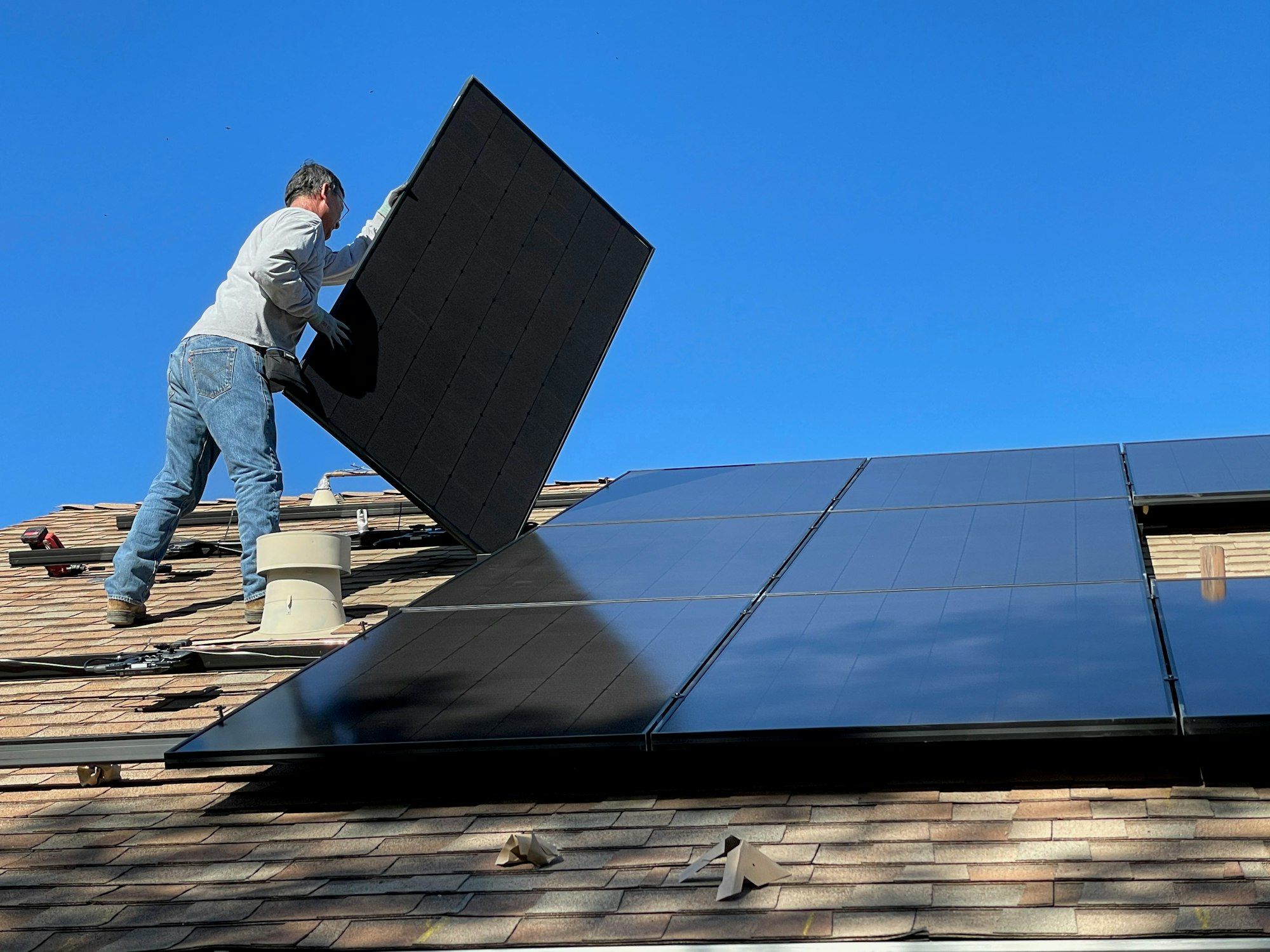
If you have a 1.5 kW or 2 kW system from 2010–2012, a battery is often the wrong first move. That array will not generate enough surplus to fill storage, so you would be buying a battery and then charging it from the grid.
In that situation the better sequence is to expand the array first, then add storage. We will tell you if that is your position rather than sell you the larger job.
Watch the feed-in tariff trap
A small number of Victorian households are still on legacy premium feed-in tariffs at rates far above anything available now. Modifying or expanding your system can end that arrangement permanently.
If you are on a premium tariff, check the terms before changing anything. In some cases the right advice is to leave the existing system exactly as it is and install a separate system alongside it.
Common questions
Can I just add more panels to my existing system?
Only if your inverter has headroom. A 3 kW inverter cannot take much more than about 4 kW of panels. Beyond that you need a larger inverter, which triggers a new approval.
My inverter has failed. Repair or replace?
Inverters are usually replaced rather than repaired, and a failure at 8–12 years is normal. It is a good moment to reconsider the whole system, since a hybrid replacement makes a battery straightforward later.
Is my old system still safe?
Systems from the 2010–2012 rush vary enormously in install quality. Isolator failures and water ingress in DC isolators are the common issues. If yours has never been inspected, it is worth a look.