

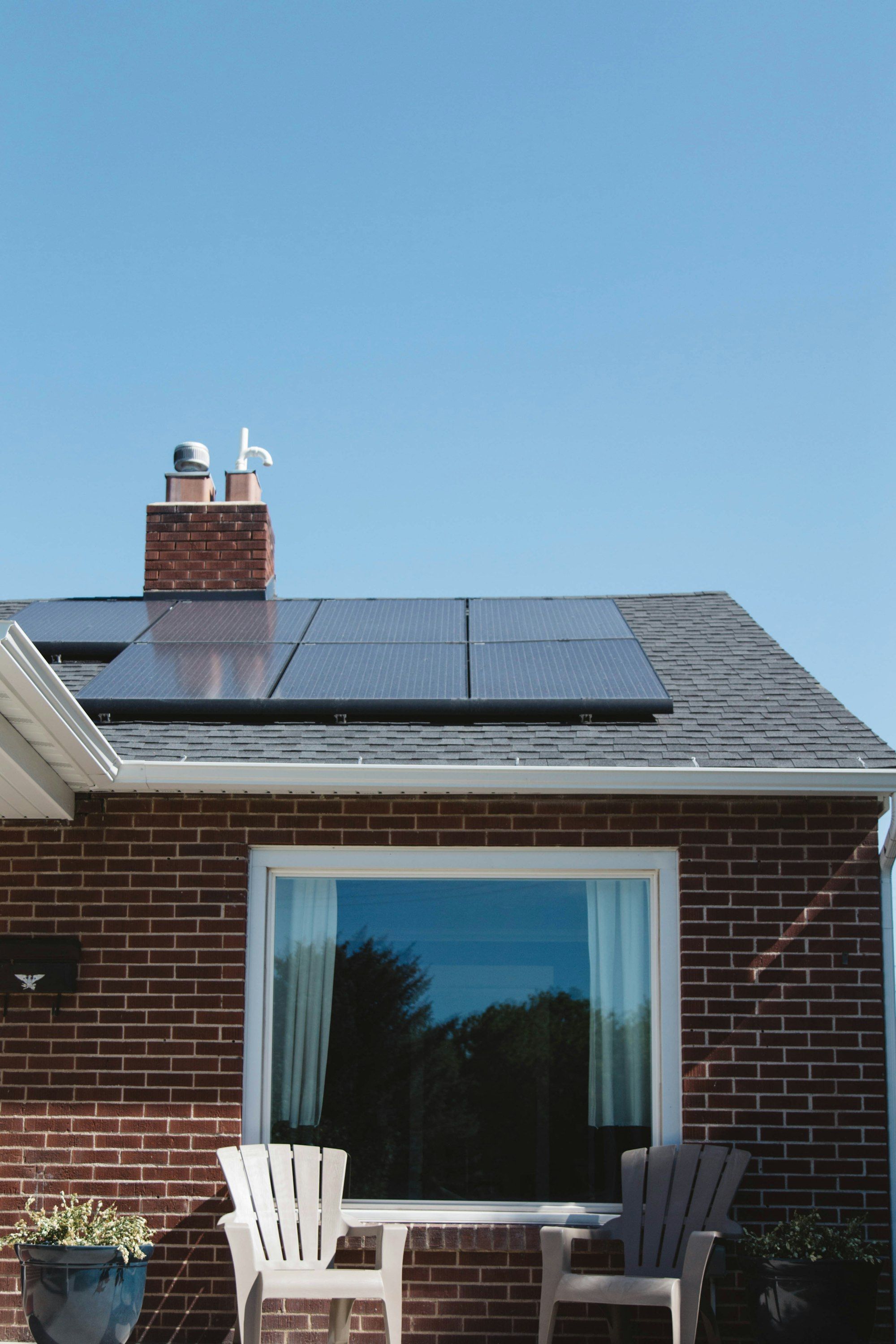
What actually drives the price
- System size. The largest single factor, though cost per kilowatt falls as size rises — the labour and approval work is similar for a 6.6 kW and a 10 kW system.
- Equipment tier. The spread between budget and premium panels is real but smaller than the spread between budget and premium inverters. The inverter is the component most likely to fail first.
- Roof type. Colorbond is quickest. Concrete tile takes longer and carries breakage risk. Terracotta is slower again. Two-storey adds access equipment.
- Switchboard condition. Older boards with ceramic fuses or no main switch RCD usually need upgrading to meet current standards. This is a common surprise cost and should be identified before install, not on the day.
- Single or three-phase. Three-phase supports larger systems without a difficult approval.
- Roof complexity. Multiple planes, dormers and heavy shading mean more rails, sometimes optimisers, and longer install time.
Our indicative pricing
Add indicative price bands
We have deliberately not invented numbers here. Publishing price guidance is genuinely valuable — most installers hide behind “call for a price”, and being upfront is a real differentiator — but the figures have to be ones the business will actually honour. Once indicative bands are confirmed they belong in this section, as ranges with the assumptions stated.
What a proper quote itemises
Insist on seeing each of these as a separate line:
- Panel make, model, wattage and quantity.
- Inverter make, model and capacity — and whether it is hybrid (battery-ready).
- Mounting system brand and whether it is rated for your wind zone.
- The STC discount, shown separately, with the balance payable after it.
- Estimated annual generation in kWh, and the assumptions behind it.
- Product and workmanship warranty periods, stated in years.
- What is excluded — switchboard upgrades, scaffolding, tile replacement, meter changes.
That last line is where cheap quotes become expensive ones. An exclusion list is not a red flag; an absent one is.
Comparing quotes properly
Line the quotes up side by side and compare like for like. A quote that is $1,500 higher but includes a switchboard upgrade the other one excluded is the cheaper quote.
Specific things worth checking:
- Is the inverter warranty 5 years or 10? That difference is worth real money.
- Is the panel figure the product warranty or the performance warranty? They are different and are often conflated.
- Does the generation estimate account for your actual shading, or is it a generic figure for the postcode?
- Who performs warranty work, and what is the call-out charge after year one?
Pressure tactics to walk away from
Solar has a persistent problem with high-pressure selling. Treat these as exit signals: a price that is only available if you sign today; “the rebate ends this week” (it steps down annually, on a published schedule); a quote produced without anyone assessing your roof or asking about your usage; and any refusal to put the exclusions in writing.
A system lasts twenty-five years. Nothing about that timeframe justifies deciding in an afternoon.