

Maintenance
Your inverter will fail before your panels do
Published 8 April 2026
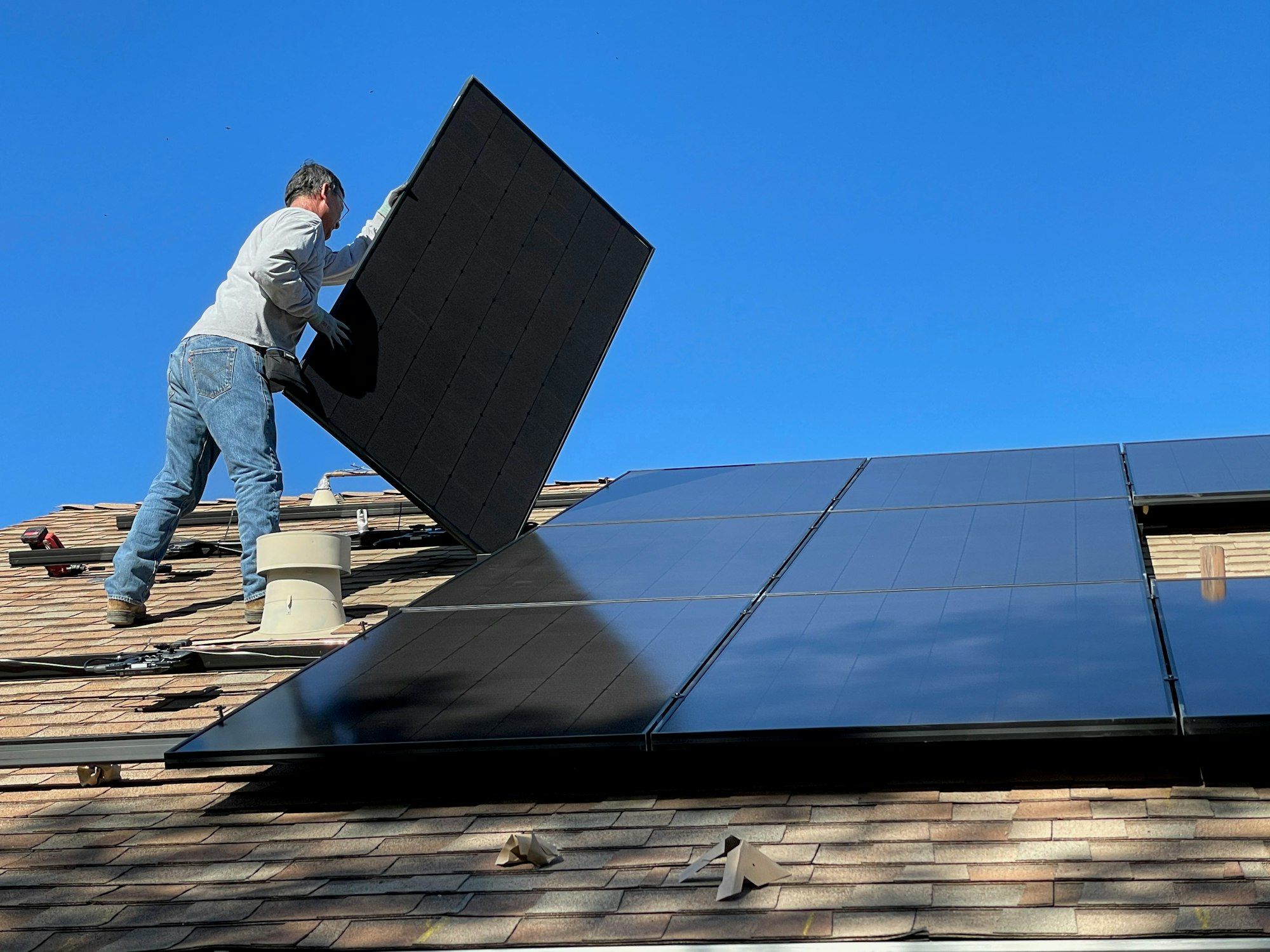
Solar is sold on the twenty-five year life of the panels. That figure is real — panels are glass and silicon with no moving parts, and they degrade slowly and predictably.
The inverter is a different story, and it is the part that will need replacing.
Why inverters age faster
An inverter is power electronics doing continuous, demanding work: converting DC to AC, switching thousands of times a second, tracking maximum power point, and handling heat. It contains capacitors and cooling components that wear.
It also usually lives on an external wall, cycling through Melbourne summers and winters. Heat is the main enemy — an inverter on a west-facing wall in full afternoon sun will not last as long as one in shade.
Typical service life is 8 to 12 years. Some go longer, some fail at six.
What this means when you buy
Two practical consequences.
Warranty length matters more than it seems. The difference between a 5-year and a 10-year inverter warranty is not a minor spec line — it is roughly the difference between “you will probably pay for a replacement” and “you probably will not”. Weigh that when comparing quotes.
Brand longevity matters. A twelve-year warranty is worth nothing if the manufacturer has left the Australian market. The solar industry has a long history of brands appearing, undercutting on price and disappearing. Established brands with a local presence cost more for a reason.
Plan for the replacement
Treat it as a known future cost rather than an unpleasant surprise. Somewhere between year eight and year twelve, budget for a new inverter.
The good news is that replacement is straightforward — it is a wall-mounted box, not a roof job. It is a few hours of work for an electrician, and no scaffolding is involved.
The replacement is an opportunity
When your inverter does fail, you are making a fresh decision rather than just restoring the status quo.
Consider a hybrid. If storage is anywhere in your plans, replacing a failed string inverter with a hybrid means the battery drops in later without replacing equipment again. The cost difference at replacement time is much smaller than doing it as two separate jobs.
Consider array expansion. If your existing array is small and your roof has room, a larger inverter at replacement time lets you add panels without a second approval.
Check the array while you are there. An inverter replacement is a good moment to inspect isolators, connectors and panel condition — particularly on a system over ten years old.
Warning signs
Inverters usually give notice:
- Error codes appearing intermittently, then more often
- Output lower than the same month last year with no shading change
- Audible buzzing or fan noise that is new
- The display failing, or the unit becoming unusually hot
- Monitoring dropping out repeatedly
If you see these, get it looked at rather than waiting for total failure. A planned replacement is cheaper than an emergency one, and you avoid weeks of generating nothing.
If your installer has disappeared
Common, given the industry’s turnover. Your workmanship warranty is effectively gone, but the manufacturer’s product warranty usually survives and can be claimed through another accredited installer.
Dig out your original paperwork — install date, inverter serial number, commissioning certificate. That is what a warranty claim needs. If you have lost it, the serial number is on the unit itself.