

How it works
Solar through a Melbourne winter: what to expect
Published 12 May 2026
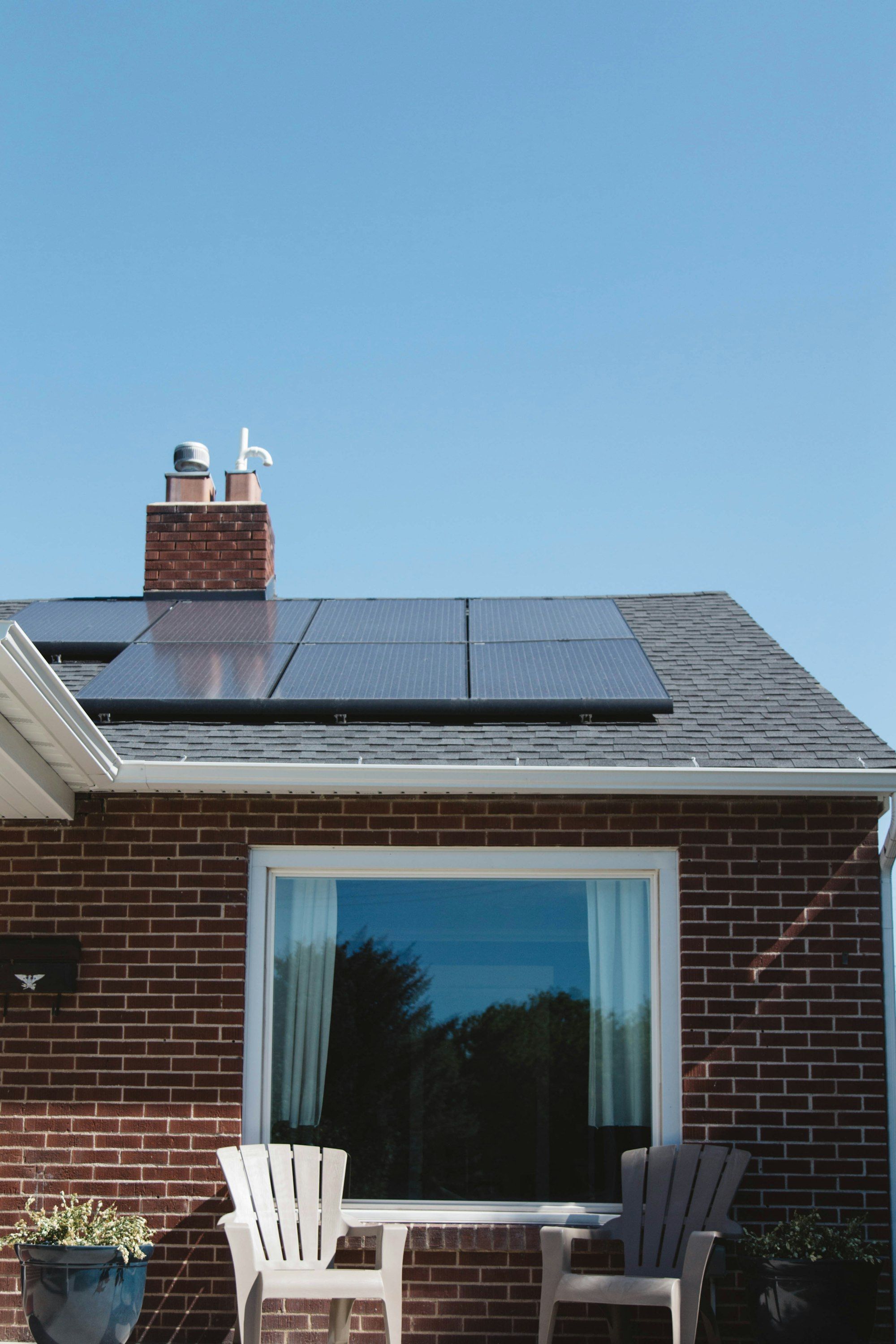
Every July we get calls from people convinced their system has broken. Output is a fraction of what it was in January, the app looks alarming, and something must be wrong.
Usually nothing is wrong. Melbourne winters are just genuinely hard on solar.
Why the drop is so steep
Three things compound.
The sun is lower. In June the sun tracks much lower across the northern sky, so light hits your panels at a shallower angle and delivers less energy per square metre.
The days are shorter. Melbourne gets roughly nine and a half hours of daylight in late June against nearly fifteen in December — and the productive window, when the sun is high enough to matter, shrinks more than that.
Cloud. Melbourne winters are overcast. Panels still generate under cloud, but at a small fraction of clear-sky output.
Put together, a clear January day can produce several times what an overcast July day produces. That is not a fault. That is Melbourne.
Shading gets worse too
A roof that is completely clear in summer can be shaded in winter. The lower sun angle means trees, fences and neighbouring buildings cast much longer shadows, and those shadows fall across roof planes that summer sun clears entirely.
If your winter output has dropped more than seems reasonable, go and look at the roof mid-morning and mid-afternoon in June. People are regularly surprised by what is shaded.
This is also why a shading assessment done in January is incomplete. A proper design accounts for the winter sun path.
Consumption goes the other way
The genuinely difficult part is that your usage moves opposite to your generation. Heating runs, lights are on from mid-afternoon, and if you heat electrically your winter consumption can be well above your summer figure.
Lowest generation and highest consumption land in the same month. Your July bill will be your worst, and that is true of every solar household in Melbourne.
What this means for batteries
It is the reason no sensibly sized home battery will carry a Melbourne household through winter.
Your array may not generate enough surplus on a July day to fill the battery at all, let alone cover an evening of electric heating. Batteries shave the expensive evening peak for most of the year; in deep winter they do considerably less.
That is fine, provided nobody sold you winter independence. If an installer suggested a domestic battery would get you through Melbourne winter off-grid, they were either mistaken or not being straight with you.
What is actually a fault
Seasonal decline is gradual and symmetrical, year on year. Worth investigating:
- A sudden drop rather than a gradual seasonal decline
- Output materially below the same month last year
- One string producing far less than another with similar orientation
- Inverter error codes, or an inverter that is off entirely
- Monitoring that has stopped reporting
The useful comparison is not summer against winter. It is this July against last July. If they match, your system is fine.
Making winter less painful
- Shift what you can into the middle of the day — dishwasher, washing machine, pool pump. The productive window is short, so use it.
- Set a hot water heat pump to run at midday rather than overnight. It is one of the largest flexible loads in most homes.
- Check for winter shading before assuming a fault.
- Expect it. Budget for a higher July bill and it stops being a surprise.